How tattoos age
Every tattoo changes. Ink particles slowly spread under the skin, lines soften and colors fade, faster in the sun and on areas that move or rub a lot. Planning for that is the difference between a tattoo that holds up and one that blurs.
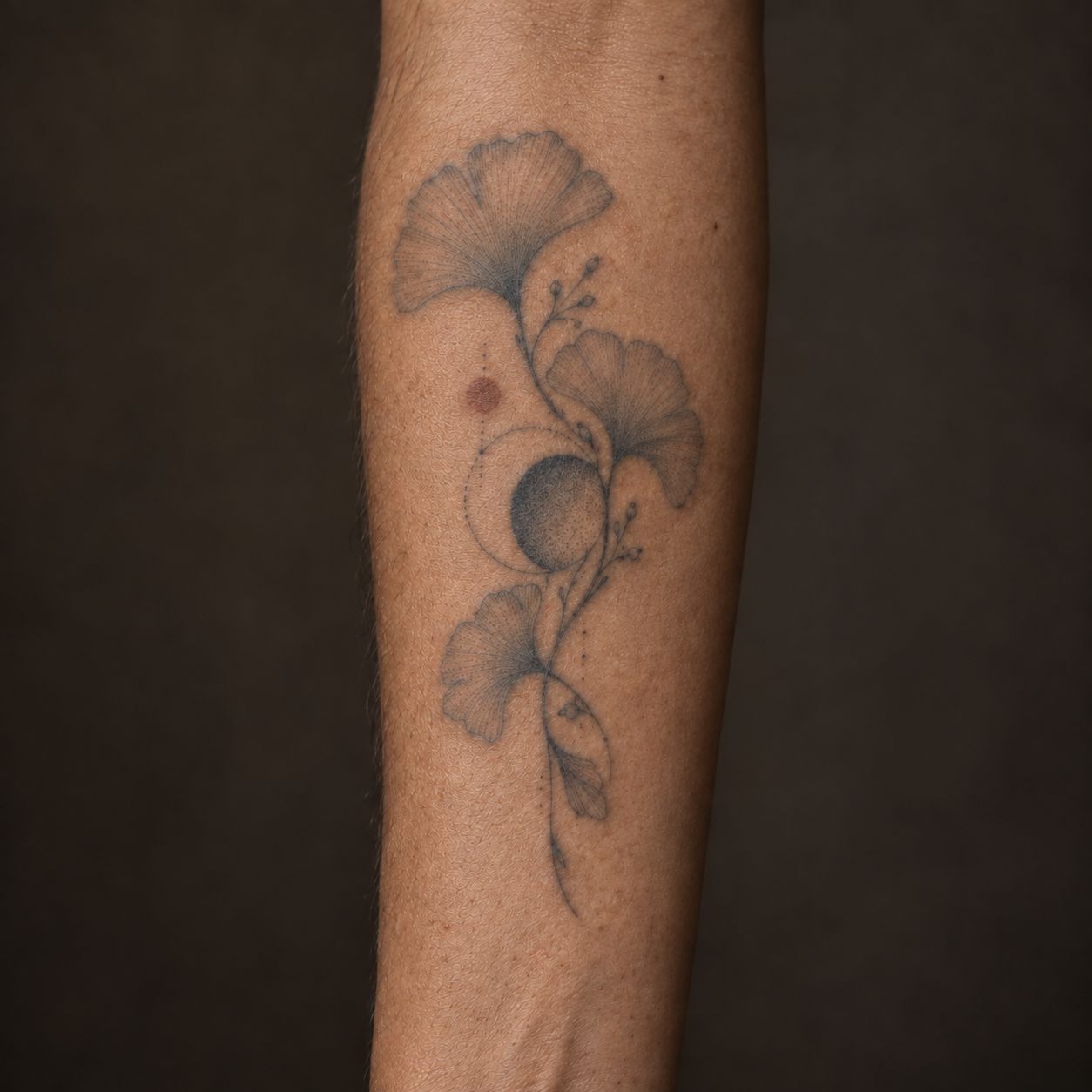
What changes over time
- Line spread: thin lines widen a little every year, so tiny details merge.
- Fading: color and grey wash lighten, especially with sun exposure.
- Skin changes: elasticity and texture change with age and weight.
- Placement: hands, feet, fingers and lips fade fastest; the outer arm, calf and back hold up best.
Designs that age well
Bold outlines, open space between lines, strong contrast and a size that matches the detail. If a design has many small elements, go a size up. Black and grey usually outlasts pastel colors.
See your own design age
TattooLab's Aging Simulator takes your design or a photo of your tattoo and shows how it may look after 5, 10, 20 and 30 years based on placement, skin type, sun exposure, style and ink. Results are estimates, but they make the trade-offs easy to see before you commit.
Frequently asked questions
Do fine line tattoos fade faster?
They tend to soften sooner because the lines are thin. Bigger designs with more spacing hold up better.
How can I slow down tattoo aging?
Sunscreen on healed tattoos, moisturized skin, and a good artist who sets the ink at the right depth.
Can an old tattoo be refreshed?
Yes. Many artists can re-line or add contrast, or plan a cover-up.